

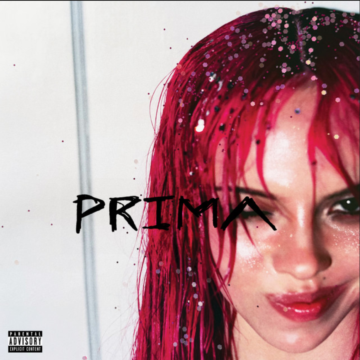
“Nicole Kidman” is a song by Slovak singer-songwriter ADÉLA, released on 4 September 2026 through Capitol Records as the fourth single from her debut studio album, PRIMA. Written by ADÉLA alongside Blake Slatkin, Dylan Brady, Julia Michaels, Billy Walsh and Anna-Catherine Hartley, and produced by Slatkin and Brady, the track blends contemporary pop with an unconventional, sample-driven production. Running for three minutes and one second, the song takes its name from Australian actress Nicole Kidman and explores the confidence, glamour and theatricality associated with Hollywood stardom.
The inspiration behind “Nicole Kidman” came from a real-life experience in January 2026, when ADÉLA attended a Golden Globes party. While getting ready for the event, she put on a corset that was so tight that she began to feel like Nicole Kidman herself. The moment sparked the idea for the song, transforming an experience of getting dressed up into a playful celebration of celebrity glamour and self-confidence.
Rather than telling the story of Kidman’s life, the track uses the actress as a symbol of sophistication, beauty and cinematic extravagance. ADÉLA draws on the image of a Hollywood star to explore the feeling of stepping into a more glamorous version of yourself. The song’s references to Kidman’s career also connect its themes of transformation and performance with the larger-than-life personas that have shaped popular culture.
Musically, “Nicole Kidman” features a sample of “In My Father’s House”, a recording by God’s Gospel Angels from their 1986 album Praise Him. The sample provides a distinctive foundation for the track, combining gospel-derived sounds with contemporary pop production. Its unusual combination of influences gives the song a playful, slightly offbeat character that distinguishes it from more conventional pop releases. The production was handled by Blake Slatkin and Dylan Brady, the latter known for his work as one half of experimental pop duo 100 gecs.
Nicole Kidman herself became aware of the song before its release. After ADÉLA announced the album’s track listing in August 2026, Kidman was asked about the track at the London premiere of Practical Magic 2 on 26 August. She expressed her support for the singer and said she planned to attend ADÉLA’s Red Bottoms Tour concert in Nashville on 21 September. The endorsement attracted further attention to the upcoming release, particularly given the unusual nature of having a song named after a major Hollywood actress.
Kidman subsequently praised ADÉLA during an appearance on The Tonight Show Starring Jimmy Fallon, expressing her delight at the tribute and complimenting the singer’s talent. She also highlighted the music video, which recreates moments from several of her films. The actress’s positive reaction helped turn the track into a particularly memorable moment in ADÉLA’s early career, demonstrating how a playful musical idea could generate a connection between an emerging pop artist and an established Hollywood star.
The official music video premiered on 4 September 2026, alongside the album’s release. Directed by Hannah Lux Davis, the video pays tribute to several iconic moments from Kidman’s filmography, including To Die For (1995), Eyes Wide Shut (1999), Moulin Rouge! (2001), Birth (2004) and Babygirl (2024). It also references Kidman’s memorable 2021 AMC Theatres advertising campaign, which became widely recognised online.
Throughout the video, ADÉLA recreates elements of Kidman’s screen appearances while adding her own fashion-forward styling and choreography. Different outfits, dramatic visual sequences and energetic dance performances bring the song’s themes of glamour and transformation to life. The result is a playful homage to the actress’s career that also allows ADÉLA to establish her own visual identity. Writing for the magazine Metal, critic Arnau Salvadó described the video as a high-fashion reinterpretation of Kidman’s most memorable screen moments.
“Nicole Kidman” received positive attention for its unusual production and light-hearted approach. Writing for The Sydney Morning Herald, Robert Moran and Barry Divola compared its sound to the chiptune-influenced soul associated with Kanye West’s earlier work. They acknowledged the song’s deliberately extravagant references to Kidman while describing the overall result as effortlessly fun. Its playful concept, distinctive sample and theatrical presentation helped it stand out among the tracks released during the album campaign.
*All information accurate at the time of publishing.




No comments yet
Leave a comment